Early Forms of money: shells, metals and coins
 Corey Peterson
Before dollars, credit cards, and tap-to-pay phones existed, people still needed a way to trade fairly and efficiently. After barter started causing more trouble than it solved (you can’t pay for shoes in tuna forever), societies around the world began looking for something better—objects everyone agreed had value. The result? Some very creative early forms of money.
Let’s travel through time and see how humans went from seashells… to shiny metals… to coins… and eventually to the cash we know today.
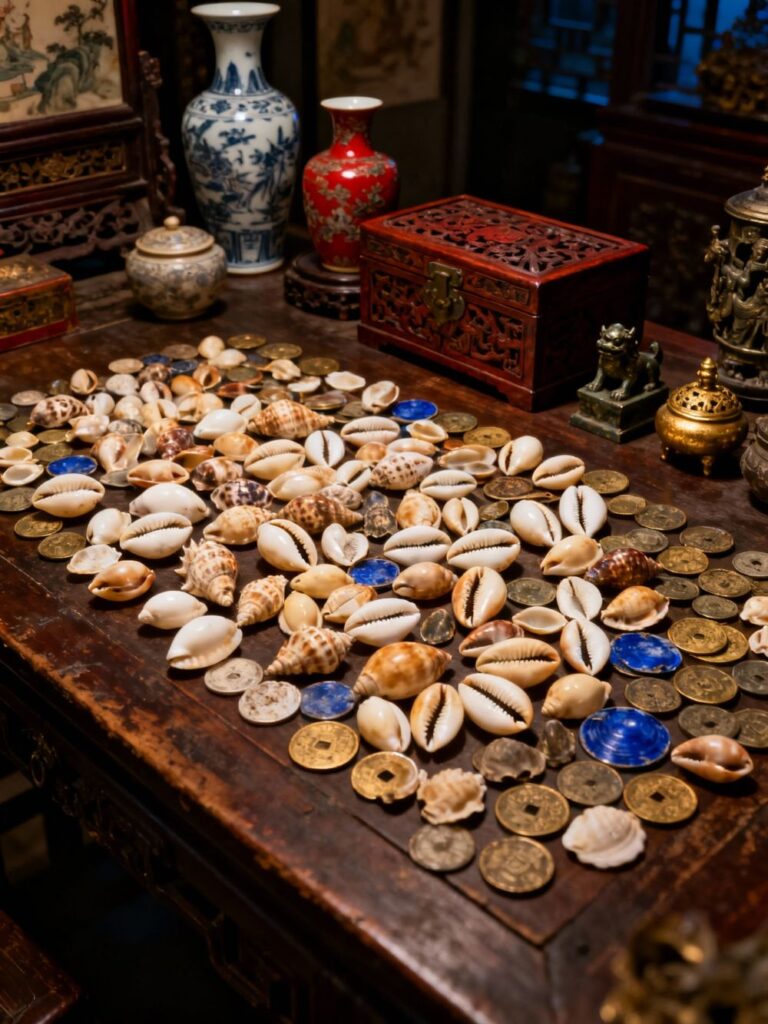
Cowrie Shells: The First Global Currency (China & Beyond)
One of the earliest and most widely used forms of money wasn’t gold or silver—it was a humble seashell.
Around 3,500 years ago, ancient China began using cowrie shells as money. They were small, hard to break, easy to carry, and—most important—rare inland. That made them valuable.
If you lived back then, you might have paid taxes, bought food, or traded for tools using a handful of shells. They weren’t flashy, but they worked surprisingly well.
Cowrie shells didn’t stay in China. They spread through Asia, Africa, and the Middle East, becoming one of the world’s first international currencies. Imagine trying to buy snacks today with seashells—pretty wild, but for thousands of years, it worked flawlessly.
Eventually, though, cowries had a problem: they were too easy to find in coastal regions. As more shells entered circulation, their value dropped. So societies turned to something harder to fake—metal.
Metals and the Birth of Durable Money
Metal had everything barter didn’t:
- It lasted forever
- It didn’t spoil
- It could be shaped
- It was rare
- And people liked shiny things (some things never change)
Ancient civilizations used metal lumps, rods, rings, and even knife-shaped pieces called “spade money.” China produced some of these early metal tools, shaping bronze into objects that resembled farming equipment because that represented value in everyday life.
But this still wasn’t ideal. If you tried paying for groceries with metal tools, you’d need a donkey just to carry your wallet. So the next step was obvious:
Make the metal smaller. Stamp it. Make it official.
Ancient Greek Silver Coins: The First Modern Money

Enter ancient Greece, around 600–500 BCE, and the invention of silver coins. These weren’t just random pieces of metal—they were:
- precisely weighed
- government-approved
- beautifully stamped with images like owls and gods
- widely accepted across city-states
The silver drachma became one of the most trusted currencies in the ancient world. If you were a traveler in Greece carrying silver coins, you could buy food, pay for lodging, or do business almost anywhere. For the first time, money was truly standardized.
Coins solved nearly all the problems barter created. They were portable, durable, divisible, and recognized across large regions. From Greece, coins spread to Rome, Persia, and beyond—changing global trade forever.
Fast Forward: U.S. Bills, Coins & Modern Money

When the United States was founded, the new nation needed its own money system. Early Americans used a mix of Spanish silver coins, state-issued money, and even foreign currencies. Finally, in 1792, the U.S. Mint was created, and the first official coins rolled out:
- Cents
- Nickels
- Dimes
- Quarters
- Dollars
Paper money followed, including the greenbacks issued during the Civil War. Over the next 200 years, U.S. money evolved from metal-backed cash (gold & silver certificates) to today’s fiat money, which is valuable because the government says it is—and because we all agree to use it.

And here’s a modern twist:
The U.S. Mint no longer produces pennies for circulation.
Why? Because it costs more to make a penny than a penny is worth. Plus, people keep losing them in couch cushions. As a result, many stores in the U.S. have already adopted “rounding” practices, and cash transactions often ignore pennies altogether.
From cowrie shells to Greek silver coins to modern digital wallets, money has come a very long way—yet the goal hasn’t changed. Humans simply needed a reliable way to trade, save, and measure value. The tools changed, but the purpose remained the same.